

Defining the Strategic Finance Mandate: Aligning Finance with Organizational Goals
In today's dynamic business environment, finance leaders are expected to do far more than manage budgets, oversee reporting, and ensure compliance. Organizations increasingly depend on their finance teams to provide strategic guidance that supports growth, profitability, operational excellence, and long-term value creation.
This shift has given rise to what many leaders call the Strategic Finance Mandate—the responsibility of aligning finance strategy with organizational goals to help businesses achieve sustainable success.
What Is the Strategic Finance Mandate?
The Strategic Finance Mandate refers to the expanded role of finance in supporting enterprise-wide objectives. Rather than operating as a standalone function, finance becomes an integrated partner that helps guide strategic planning, resource allocation, performance management, and risk mitigation.
Finance leaders play a critical role in answering questions such as:
- Which growth opportunities deserve investment?
- How should capital be allocated across business priorities?
- What risks could impact long-term objectives?
- How can profitability be improved without sacrificing growth?
- Which performance metrics truly drive business value?
Why Aligning Finance with Organizational Goals Matters
Many organizations struggle because business strategy and financial planning are developed independently. When finance is disconnected from organizational priorities, companies often experience inefficient spending, poor decision-making, and reduced agility.
When finance and strategy are aligned, organizations benefit from:
- Improved strategic decision-making
- More effective capital allocation
- Greater operational efficiency
- Enhanced profitability
- Stronger accountability and performance management
- Better risk visibility and mitigation
- Sustainable long-term growth
Alignment ensures that every financial decision contributes directly to achieving strategic objectives.
The CFO's Role in Strategic Alignment
Modern CFOs serve as strategic business partners who bridge the gap between financial performance and organizational goals. They provide leadership teams with insights that enable smarter, faster, and more informed decisions.
Today's strategic CFO helps:
- Translate business strategy into financial plans
- Establish measurable performance targets
- Monitor strategic initiatives and investments
- Identify opportunities for growth and efficiency
- Strengthen enterprise risk management
- Drive business transformation initiatives
By collaborating closely with executives across departments, CFOs ensure that financial priorities support overall business success.
Building a Strategic Finance Framework
Organizations seeking stronger alignment should establish a structured finance strategy framework that connects financial planning directly to business objectives.
Key components include:
- Clear strategic objectives
- Integrated financial planning and forecasting
- Performance measurement systems
- Risk management processes
- Capital allocation guidelines
- Continuous performance monitoring
This framework enables finance leaders to evaluate progress, adjust strategies, and support decision-making in real time.
Driving Growth Through Strategic Finance
Growth remains a priority for most organizations. Strategic finance leaders help businesses identify opportunities that generate long-term value while maintaining financial discipline.
Areas where finance contributes include:
- Market expansion initiatives
- Product and service investments
- Mergers and acquisitions
- Digital transformation programs
- Cost optimization efforts
- Working capital improvements
Finance becomes a catalyst for growth when it actively supports strategic decision-making.
Managing Risk While Enabling Innovation
Business leaders must balance growth ambitions with risk management. Strategic finance teams provide the analysis and governance needed to pursue opportunities while protecting organizational value.
Effective finance leadership helps organizations:
- Identify emerging risks
- Improve business resilience
- Enhance regulatory compliance
- Strengthen governance practices
- Support informed investment decisions
This balance between growth and risk management is essential for sustainable business success.
The Future of Strategic Finance Leadership
As technology, analytics, and business expectations continue to evolve, finance leaders must develop broader capabilities beyond traditional accounting and reporting skills.
Future-ready finance professionals will combine:
- Strategic thinking
- Business acumen
- Data analytics expertise
- Leadership capabilities
- Change management skills
- Risk management knowledge
These competencies position finance leaders to become trusted advisors and influential contributors to organizational success.
Conclusion
Defining the Strategic Finance Mandate begins with aligning finance strategy with organizational goals. When finance operates as a strategic business partner, organizations make better decisions, allocate resources more effectively, manage risk proactively, and achieve stronger business outcomes.
The future belongs to organizations that recognize finance as a driver of growth, innovation, and value creation—not simply a reporting function.
Recommended Reading for Finance Leaders
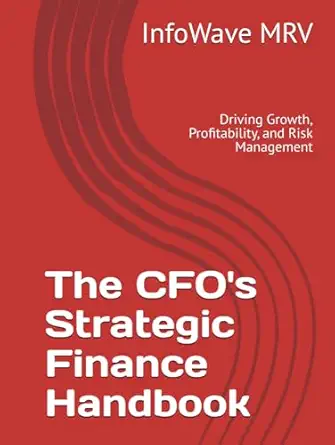
If you are a CFO, Finance Director, Controller, FP&A professional, or aspiring finance executive looking to strengthen your strategic impact, consider reading The CFO's Strategic Finance Handbook: Driving Growth, Profitability, and Risk Management.
This practical guide provides actionable frameworks, leadership insights, and proven strategies to help finance professionals align financial performance with organizational goals, improve profitability, manage risk, and accelerate business growth.
Elevate your finance leadership and become a true strategic business partner.
Recommended Reading
The CFO's Strategic Finance Handbook : : Driving Growth, Profitability, and Risk Management
Dive deeper into this topic with our comprehensive guide. Available now on Amazon.
Buy