

Mergers, Acquisitions, and Divestitures: The CFO's Playbook for Value Creation
In today's competitive business landscape, growth is no longer driven solely by increasing sales or launching new products. Many organizations accelerate growth through mergers, acquisitions (M&A), and strategic divestitures. These transactions can unlock new markets, expand capabilities, improve operational efficiency, and create significant shareholder value.
At the center of these high-stakes decisions stands the Chief Financial Officer (CFO). Modern CFOs play a critical role in identifying opportunities, evaluating financial risks, conducting due diligence, structuring transactions, and ensuring that deals deliver long-term strategic value.
Understanding Mergers, Acquisitions, and Divestitures
Mergers combine two organizations into a single entity, while acquisitions involve one company purchasing another. Divestitures, on the other hand, involve selling or spinning off business units that no longer align with the organization's long-term strategy.
Each transaction presents unique opportunities and challenges, making financial leadership essential throughout the process.
Why M&A Matters for Business Growth
Organizations pursue mergers and acquisitions for many strategic reasons:
- Entering new markets
- Expanding product portfolios
- Acquiring technology or intellectual property
- Increasing market share
- Achieving operational synergies
- Accelerating revenue growth
- Reducing competition
When executed effectively, M&A can significantly enhance competitive advantage and long-term profitability.
The CFO's Strategic Role in M&A
Today's CFO is far more than the financial gatekeeper. They are strategic advisors responsible for ensuring that every transaction aligns with corporate objectives and delivers measurable value.
Key responsibilities include:
- Identifying acquisition opportunities
- Business valuation and financial modeling
- Conducting financial due diligence
- Evaluating strategic fit
- Assessing financial and operational risks
- Structuring transaction financing
- Supporting post-merger integration
The Importance of Due Diligence
Due diligence is one of the most critical stages of any transaction. It helps organizations understand the financial health, operational capabilities, legal obligations, and potential risks associated with a target company.
A comprehensive due diligence process includes:
- Financial statement analysis
- Cash flow assessment
- Debt evaluation
- Tax review
- Legal compliance
- Operational assessment
- Technology evaluation
- Cybersecurity review
Thorough due diligence minimizes surprises and improves decision-making.
Business Valuation and Investment Decisions
Determining the right purchase price is essential to creating shareholder value.
Finance leaders commonly use valuation techniques such as:
- Discounted Cash Flow (DCF)
- Comparable Company Analysis
- Precedent Transaction Analysis
- Asset-Based Valuation
- EBITDA Multiples
Accurate valuation helps organizations avoid overpaying while identifying opportunities that generate attractive long-term returns.
Post-Merger Integration: Where Value Is Created
Many acquisitions fail to achieve expected benefits because integration receives insufficient attention.
Successful integration requires careful planning across:
- Finance systems
- Technology platforms
- Operations
- Human resources
- Corporate culture
- Customer relationships
- Performance measurement
The CFO plays a vital role in tracking synergies, monitoring financial performance, and ensuring the transaction delivers its intended business outcomes.
The Strategic Value of Divestitures
Not every business unit contributes equally to long-term strategy. Divestitures allow organizations to exit underperforming or non-core operations and redirect capital toward higher-growth opportunities.
Benefits include:
- Improved capital allocation
- Greater operational focus
- Enhanced profitability
- Reduced complexity
- Increased shareholder value
Strategic divestitures strengthen organizations by allowing leadership teams to focus on their core competitive advantages.
Managing Risk Throughout the Transaction Lifecycle
Every M&A transaction involves financial, operational, legal, regulatory, and cultural risks.
CFOs help organizations manage these risks by:
- Conducting scenario analysis
- Evaluating financing alternatives
- Implementing governance frameworks
- Monitoring integration progress
- Tracking expected synergies
- Maintaining financial discipline
Effective risk management protects shareholder value and increases transaction success rates.
Building an M&A-Ready Finance Organization
Organizations that consistently execute successful transactions invest in finance capabilities that support strategic growth.
Future-ready finance teams develop expertise in:
- Financial modeling
- Business valuation
- Strategic planning
- Capital allocation
- Risk management
- Negotiation support
- Post-merger performance measurement
These capabilities enable finance to become a trusted advisor throughout the transaction lifecycle.
Conclusion
Mergers, acquisitions, and divestitures represent some of the most important strategic decisions an organization will make. While these transactions can accelerate growth and strengthen competitive positioning, lasting success depends on disciplined financial leadership.
By combining rigorous analysis, strategic thinking, effective risk management, and strong execution, CFOs can transform corporate transactions into powerful engines of long-term value creation.
The best CFOs don't simply close deals—they create businesses that are stronger, more agile, and better positioned for the future.
Recommended Reading for Finance Leaders
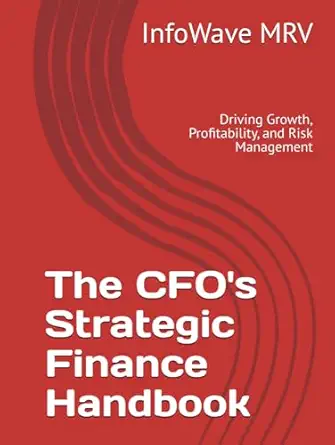
If you're a CFO, Finance Director, Controller, FP&A professional, or aspiring finance executive, The CFO's Strategic Finance Handbook: Driving Growth, Profitability, and Risk Management provides practical guidance on strategic finance, capital allocation, mergers and acquisitions, financial forecasting, risk management, and organizational transformation.
Whether you're evaluating acquisition opportunities, leading post-merger integration, or optimizing corporate strategy, this comprehensive guide equips finance leaders with proven frameworks to make better decisions and create lasting business value.
Lead smarter transactions. Create sustainable value. Build a stronger future.
Recommended Reading
The CFO's Strategic Finance Handbook: Driving Growth, Profitability, and Risk Management
Dive deeper into this topic with our comprehensive guide. Available now on Amazon.
Buy