

The CFO as a Strategic Business Partner: Moving Beyond Traditional Finance
The role of the Chief Financial Officer (CFO) has undergone a remarkable transformation over the past decade. Once viewed primarily as the guardian of financial reporting, budgeting, and compliance, today's CFO is expected to be a strategic business partner who actively shapes organizational success.
In an increasingly complex and competitive business environment, CEOs and executive teams rely on finance leaders not only for financial oversight but also for strategic guidance, risk management, business transformation, and sustainable growth initiatives.
The Evolution of the CFO Role
Historically, CFOs focused on accounting, financial controls, treasury management, regulatory compliance, and reporting. While these responsibilities remain critical, organizations now expect finance leaders to contribute directly to strategic decision-making.
Today's CFO participates in:
- Long-term strategic planning
- Growth and expansion initiatives
- Mergers and acquisitions
- Digital transformation programs
- Risk management and governance
- Performance improvement initiatives
- Capital allocation decisions
As organizations face economic uncertainty, technological disruption, and evolving customer expectations, CFOs are uniquely positioned to provide insights that guide executive decision-making.
What Makes a CFO a Strategic Business Partner?
A strategic CFO goes beyond analyzing historical financial data. They translate financial information into actionable insights that help business leaders make informed decisions.
Key characteristics of strategic CFOs include:
- Strong business acumen and commercial understanding
- Data-driven decision-making capabilities
- Cross-functional leadership skills
- Ability to identify growth opportunities
- Proactive risk management expertise
- Effective communication with stakeholders
By partnering closely with CEOs, operational leaders, and business units, strategic CFOs ensure that financial objectives align with broader organizational goals.
Driving Growth Through Strategic Finance
Growth remains a top priority for organizations across industries. Strategic CFOs play a vital role in evaluating investment opportunities, identifying profitable growth initiatives, and ensuring efficient resource allocation.
They help organizations:
- Improve profitability and margins
- Optimize working capital
- Evaluate investment opportunities
- Support market expansion strategies
- Strengthen financial forecasting
- Improve business performance measurement
Their ability to combine financial expertise with strategic thinking enables organizations to pursue growth while maintaining financial discipline.
Managing Risk in an Uncertain World
Modern businesses face increasing risks, including economic volatility, cybersecurity threats, regulatory changes, supply chain disruptions, and geopolitical uncertainty.
Strategic CFOs help organizations identify, assess, and mitigate these risks while maintaining business resilience.
Effective risk management enables organizations to protect value, support sustainable growth, and strengthen stakeholder confidence.
The Importance of Finance Transformation
Technology continues to reshape the finance function. Strategic CFOs are leading digital transformation initiatives that improve efficiency, enhance analytics, and support faster decision-making.
Key focus areas include:
- Financial automation
- Advanced analytics
- Artificial intelligence and predictive forecasting
- Cloud-based financial systems
- Real-time business intelligence
Organizations that embrace finance transformation gain a significant competitive advantage through improved agility and decision-making capabilities.
Building the Next Generation of Finance Leaders
The future CFO must combine technical expertise with leadership, communication, and strategic thinking skills. Finance professionals who develop these capabilities position themselves for greater career growth and executive leadership opportunities.
As the role continues to evolve, ongoing learning and professional development become essential for long-term success.
Conclusion
The CFO has become one of the most influential leaders within modern organizations. By acting as a strategic business partner, CFOs help drive growth, improve profitability, manage risk, and support better business decisions.
Organizations that leverage the full strategic potential of their finance leaders are better positioned to achieve sustainable success in today's dynamic business environment.
Recommended Reading for Finance Leaders
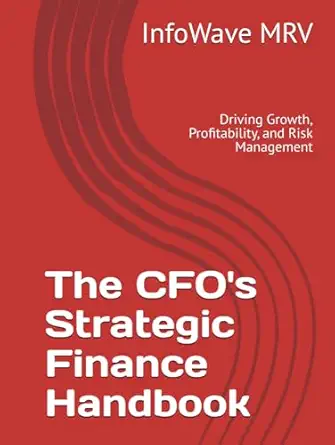
If you are a CFO, Finance Director, Controller, FP&A leader, or aspiring finance executive looking to elevate your strategic impact, consider reading The CFO's Strategic Finance Handbook: Driving Growth, Profitability, and Risk Management.
This practical guide provides proven frameworks, insights, and strategies to help finance leaders strengthen decision-making, improve business performance, manage risk, and become trusted strategic advisors within their organizations.
Invest in your leadership journey and unlock the full potential of strategic finance.
Recommended Reading
The CFO's Strategic Finance Handbook:
Dive deeper into this topic with our comprehensive guide. Available now on Amazon.
Buy